When planning a climb up Mount Kilimanjaro, most trekkers focus on routes, summit success rates, and price. But one of the most important and often overlooked factors is whether your tour operator is a KPAP member.
KPAP (Kilimanjaro Porters Assistance Project) is an organization dedicated to ensuring fair and ethical treatment of mountain porters. Choosing a KPAP-certified operator isn’t just a checkbox it directly impacts working conditions, safety standards, and the integrity of your expedition.
In 2026, ethical climbing matters more than ever.
What Is KPAP?
KPAP (Kilimanjaro Porters Assistance Project) monitors and supports fair labor practices on Kilimanjaro.
They work to ensure that porters:
- Are paid fair wages
- Carry safe load limits
- Receive proper meals on the mountain
- Have adequate shelter and equipment
- Are treated with dignity and respect
KPAP conducts independent monitoring on member expeditions to verify compliance.
What Happens With Non-KPAP Operators?
Not all Kilimanjaro operators follow ethical labor standards.
In non-monitored environments, issues may include:
- Overloaded porters
- Inadequate food rations
- Poor gear protection
- Unsafe working conditions
- Underpayment or delayed wages
While not every non-KPAP operator is unethical, the absence of independent oversight increases risk.
Why KPAP Matters for Climbers
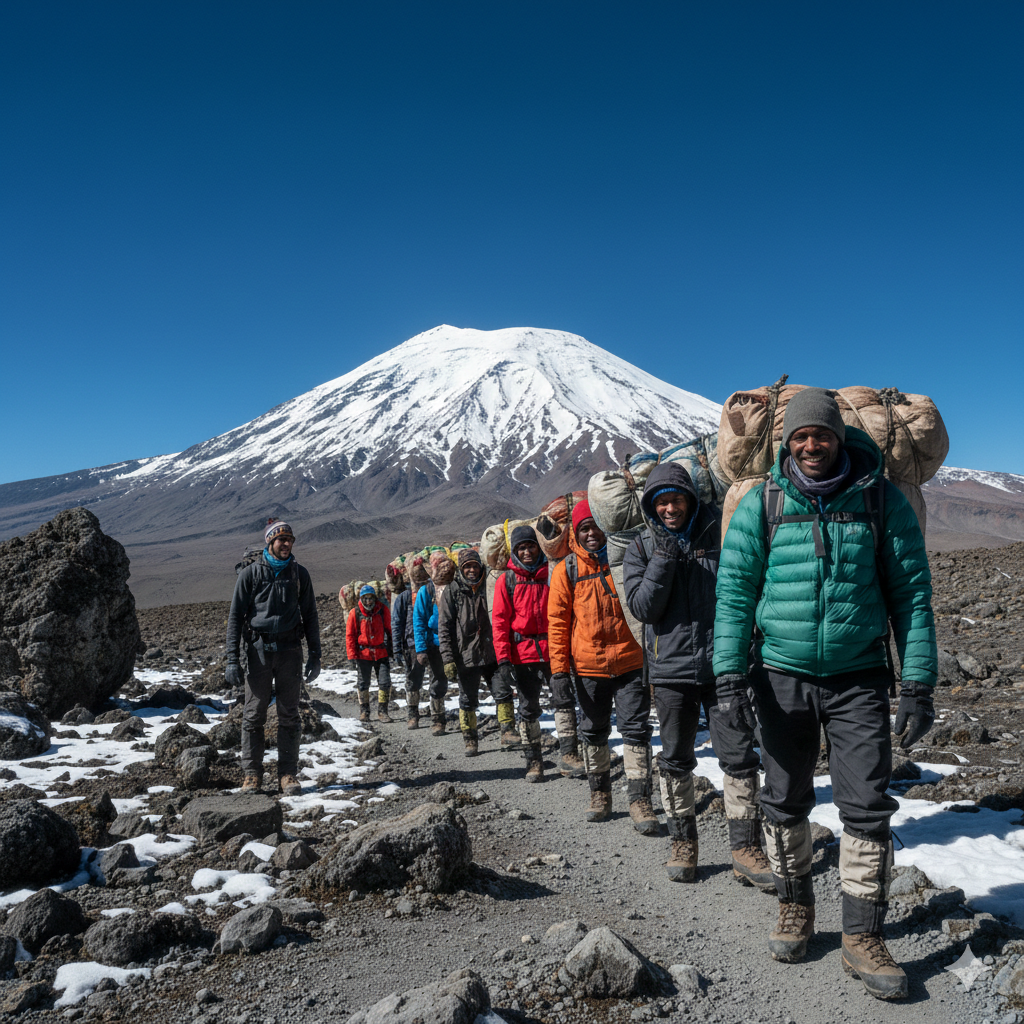
Choosing a KPAP-certified operator benefits you directly as a climber:
1. Higher Expedition Standards
Companies that commit to KPAP often invest in structured logistics, organized camps, and professional guide teams.
2. Stronger Crew Morale
Well-treated porters are motivated, respected, and fully supported which improves the overall expedition experience.
3. Safer Working Environment
When porter loads are monitored and equipment standards are maintained, the entire expedition operates more safely.
4. Ethical Travel Alignment
Modern travelers increasingly value responsible tourism. KPAP membership aligns your climb with ethical global standards.
KPAP and Summit Success
While KPAP focuses on porter welfare, many KPAP-certified companies also maintain:
- 7–8 day itineraries for proper acclimatization
- Small group structures
- Medical monitoring protocols
- Oxygen availability on every climb
Ethical structure and safety infrastructure often go hand-in-hand.
How to Verify KPAP Membership
Before booking, you can:
- Check the official KPAP member list
- Ask your operator directly about monitoring
- Request transparency regarding porter policies
If an operator avoids the question, that’s a red flag.
Why Climb Kili Is KPAP Verified
Climb Kili is proud to be a KPAP-verified operator.
This means:
- Porters receive fair wages and proper meals
- Load limits are monitored
- Equipment standards are maintained
- Independent oversight ensures compliance
Combined with small groups (maximum six climbers), 7–8 day itineraries, and twice-daily health checks, ethical standards are built into every expedition.
Climbing Kilimanjaro should elevate everyone involved — not just the summit team.
KPAP vs Non-KPAP: Quick Comparison
| Standard | KPAP Operator | Non-KPAP Operator |
|---|---|---|
| Independent Monitoring | Yes | No |
| Porter Load Limits | Enforced | Not guaranteed |
| Wage Transparency | Verified | Varies |
| Ethical Accountability | High | Variable |
| Expedition Structure | Professionalized | Inconsistent |
Related Kilimanjaro Research & Planning Resources
You may also find these in-depth guides helpful when narrowing your decision:
- Best Kilimanjaro Guides – What certifications and experience truly matter on summit day
- Best Kilimanjaro Route – A detailed breakdown of route safety, acclimatization, and scenery comparisons:
- Best Kilimanjaro Tour Company – What separates premium expedition teams from budget operators:
- Best Kilimanjaro Tour Operators – Safety standards, infrastructure, and summit strategy compared:
- Best Kilimanjaro Tours – What’s included in high-quality 7–8 day expeditions:
- Kilimanjaro Lemosho Route Guide – Why the 8-day Lemosho route offers superior acclimatization:
- Kilimanjaro Machame Route Guide – A closer look at the 7-day Machame route profile:
- Mt Kilimanjaro Bookings Guide – What to know before securing your climb and avoiding hidden costs:
Final Thoughts
Choosing between KPAP and non-KPAP Kilimanjaro operators isn’t just about ethics — it’s about expedition integrity.
A responsible climb protects climbers, guides, and porters alike.
When selecting your Kilimanjaro tour company in 2026, look beyond price and summit promises. Choose an operator committed to safety, transparency, and ethical mountain practices.
Because how you climb matters just as much as reaching the top.
Tutaonana juu ya mlima (See you on the mountain) 💚🏔️