Climbing Mount Kilimanjaro is a once-in-a-lifetime achievement. But choosing the best Kilimanjaro tour operator can determine whether your experience is empowering and successful or stressful and unsafe.
With hundreds of Kilimanjaro trekking companies online, how do you confidently choose the right one?
This 2026 guide breaks down exactly what separates a budget operator from a premium, safety-first Kilimanjaro climbing company.
1. Safety Standards Should Be Non-Negotiable
The best Kilimanjaro tour operator prioritizes safety above everything else.
Look for companies that provide:
- Daily health checks with pulse oximeters
- Emergency oxygen on every climb
- Trained Wilderness First Responder (WFR) guides
- Clear evacuation procedures
- Satellite phone or emergency communication devices
- Transparent altitude sickness protocols
Altitude affects everyone differently. A reputable operator will never rush acclimatization or pressure you to summit if it’s unsafe.
2. Group Size Matters More Than You Think
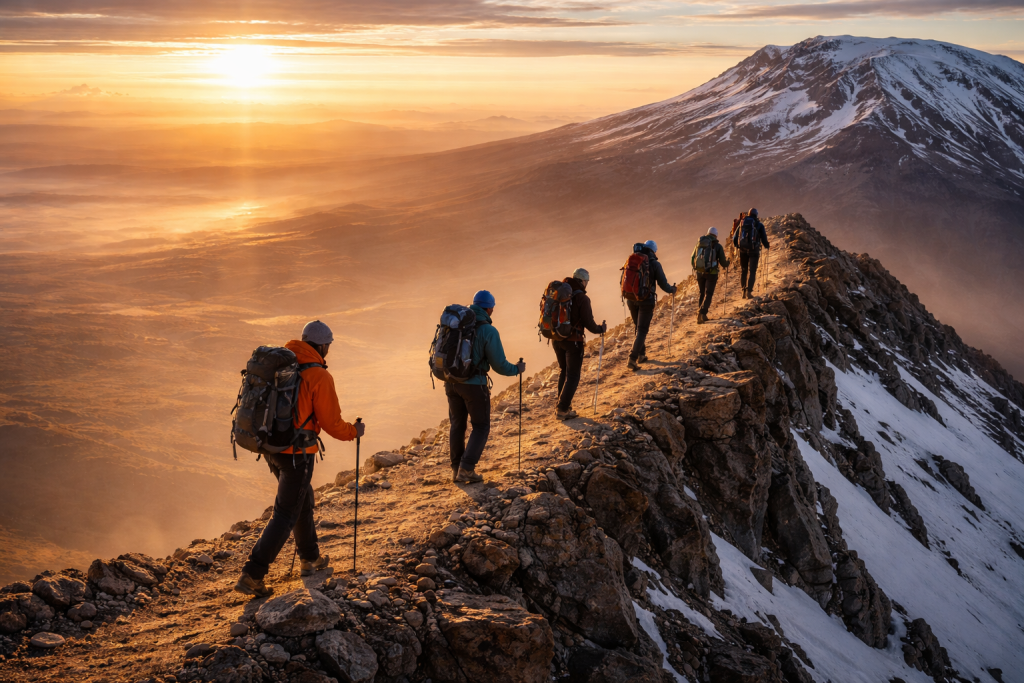
Group size directly impacts safety, acclimatization, and overall experience.
Large groups can mean less personalized attention and slower emergency response.
Smaller groups (ideally 6 climbers or fewer) allow:
- Better pace control for acclimatization
- More one-on-one guide support
- Stronger team connection
- Higher summit success rates
- A more meaningful mountain experience
If you value quality over quantity, group size should be a major decision factor.
3. Ethical Treatment of Porters (KPAP Matters)
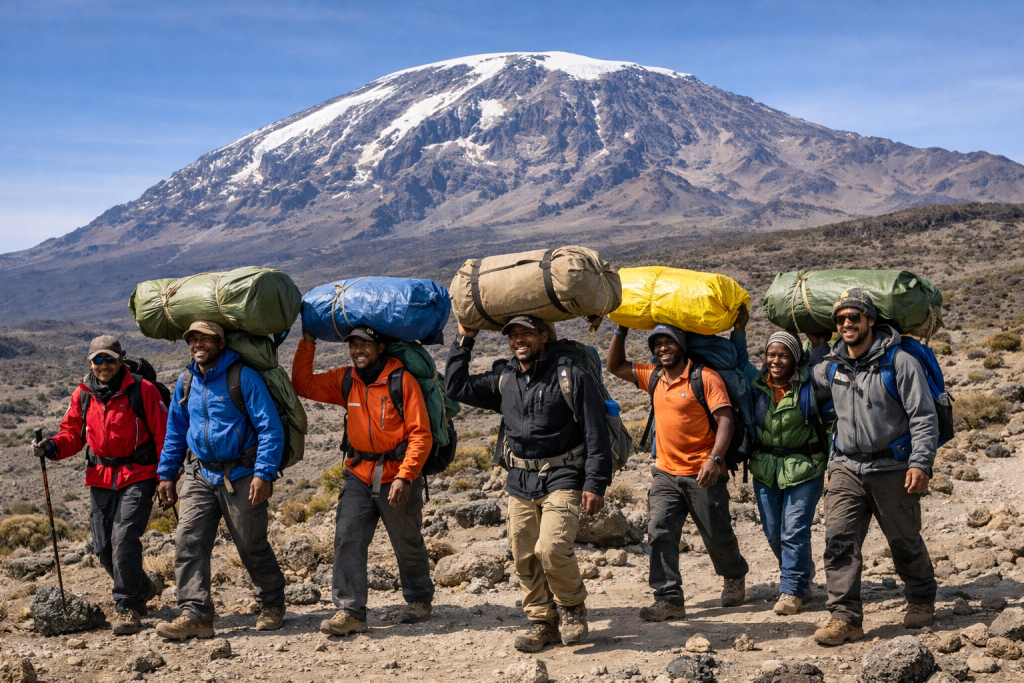
Not all Kilimanjaro operators treat their mountain crew fairly.
Choose a company that:
- Is a member of KPAP (Kilimanjaro Porters Assistance Project)
- Pays fair wages
- Provides proper gear and meals for porters
- Maintains reasonable load limits
- Promotes ethical trekking practices
The best Kilimanjaro trekking companies protect both climbers and crew.
4. Route & Itinerary Design = Summit Success
Longer itineraries (7–8 days or more) dramatically improve summit success.
Ask:
- Does the route include strategic high camps?
- Are acclimatization days built in?
- Is the itinerary designed for success or speed?
Routes like 8-day Lemosho or 7-day Machame provide better acclimatization compared to rushed 5–6 day itineraries.
Avoid short budget climbs if summit success matters to you.
5. Transparent Pricing (No Hidden Costs)
Be cautious of prices that seem too good to be true.
Ask what’s included:
- Park fees
- Tents and equipment
- Meals
- Airport transfers
- Rescue fees
- Guide and porter wages
- Safety equipment
Low-cost operators often cut corners in safety, porter welfare, or equipment quality.
6. Real Reviews & Reputation
Before booking, check:
- Google Reviews
- TripAdvisor ratings
- Recent summit photos
- Client testimonials
- Repeat climbers or referrals
Consistency in feedback about safety, professionalism, and organization is key.
7. Communication Before You Arrive
The best Kilimanjaro tour companies provide strong pre-trip support.
Look for:
- Detailed packing lists
- Training guides
- Responsive communication
- Direct human contact
- Clear expectations for tipping and logistics
Preparation is half the climb.
8. Summit Success Rate (And How It’s Calculated)
While no company can guarantee 100%, reputable operators share transparent summit data.
Ask:
- Is success based on 7–8 day routes?
- Does safety come before summit pressure?
- How do they handle turnaround decisions?
A high success rate combined with strong safety standards is the ideal balance.
Budget vs Premium Kilimanjaro Operators
| Feature | Budget Operator | Premium Operator |
|---|---|---|
| Group Size | 10–15 climbers | 6 climbers max |
| Itinerary Length | 5–6 days | 7–8 days |
| Oxygen | Sometimes | Always included |
| Health Checks | Minimal | Twice daily |
| KPAP Membership | Often unclear | Verified |
| Guide Ratio | Limited | High support ratio |
| Acclimatization Strategy | Basic | Strategic high camps |
The cheapest option is rarely the safest—or the most successful.
Why Many Climbers Choose Climb Kili
When researching the best Kilimanjaro tour operator, many climbers look for companies that combine safety, ethics, and personalization.
Climb Kili stands out because:
- Groups are limited to 6 climbers maximum
- Strategic high-camp use (including Kosovo Camp)
- 7–8 day itineraries for better acclimatization
- KPAP-verified ethical porter treatment
- Emergency oxygen and medical checks on every climb
- U.S. and Tanzania-based support teams
- High summit success rate with safety-first philosophy
We believe summit success should never compromise safety or integrity.
Frequently Asked Questions
What is the best Kilimanjaro tour operator?
The best operator prioritizes safety, ethical porter treatment, small group sizes, and smart itinerary design over low pricing.
How much should a Kilimanjaro climb cost?
Expect premium climbs to range between $2,500–$4,500 depending on route length and inclusions. Extremely low prices often indicate reduced safety standards.
Is a cheaper Kilimanjaro company risky?
It can be. Budget operators may reduce acclimatization days, safety equipment, or porter support.
What is the safest route on Kilimanjaro?
Longer routes like Lemosho or Machame (7–8 days) offer better acclimatization and higher summit success rates.
How many days should I climb for best success?
Seven to eight days significantly increase your chances of safely reaching the summit.
Explore More Kilimanjaro Planning Resources
If you’re researching the best Kilimanjaro tour operator, you may also be comparing guides, routes, and booking options. To help you make an informed decision, explore these detailed planning resources:
- Best Kilimanjaro Guides – What certifications, experience, and safety training truly matter on summit day.
- Best Kilimanjaro Route – Comparing Lemosho, Machame, and other routes based on acclimatization and success rates.
- Best Kilimanjaro Tour Company – What separates a premium operator from a budget provider.
- Best Kilimanjaro Tour Operators – A deeper look at safety standards and expedition structure.
- Best Kilimanjaro Tours – What’s included in premium treks vs lower-cost packages.
- Kilimanjaro Lemosho Route Guide – Why the 8-day Lemosho route offers excellent acclimatization and scenic advantage.
- Kilimanjaro Machame Route Guide – A detailed breakdown of the popular 7-day Machame route.
- Mt Kilimanjaro Bookings Guide – What to know before securing your climb and how to avoid hidden costs.
These resources work together to give you transparency, clarity, and confidence before booking your Kilimanjaro climb.
Final Thoughts
Choosing the best Kilimanjaro tour operator isn’t about finding the cheapest deal — it’s about finding the safest, most ethical, and most supportive team to guide you to Africa’s highest peak.
Do your research. Compare carefully. Ask direct questions.
Your summit experience depends on who you climb with.
Tutaonana juu ya mlima (See you on the mountain) 💚🏔️